
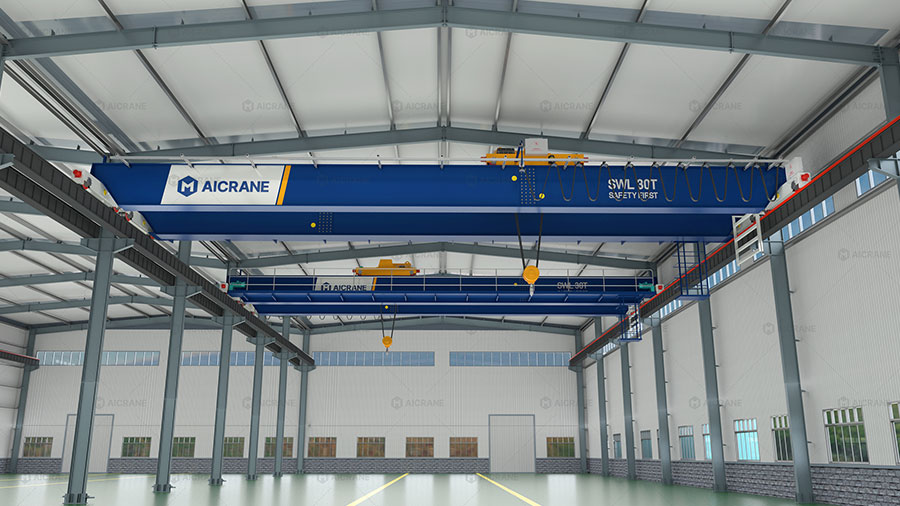
In recent years, the global manufacturing sector has undergone a significant transformation, with sustainability and environmental responsibility becoming core strategic priorities for businesses across industries. The crane manufacturing industry is no exception. Among critical material-handling equipment, Double Girder EOT (Electric Overhead Traveling) cranes are widely used in heavy-duty industrial applications – from steel mills to shipyards, automotive plants to power stations. However, as environmental concerns grow and regulatory pressures increase, manufacturers are embracing green manufacturing practices to reduce environmental impact, increase energy efficiency, improve resource utilization, and move toward a more sustainable future.
Why Green Manufacturing Matters in Crane Production
Double girder EOT cranes are complex machines composed of steel structures, electrical systems, mechanical components, and control systems. Their production traditionally consumes significant quantities of raw materials, energy, and industrial resources. Coupled with greenhouse gas emissions, waste generation, and energy consumption, this has prompted manufacturers to rethink traditional processes.
Green manufacturing prioritizes environmental stewardship, economic efficiency, and social responsibility. For overhead crane manufacturers, this approach helps:
-
Cut energy and material costs
-
Comply with environmental regulations
-
Strengthen brand reputation
-
Meet customer demand for eco-friendly solutions
-
Reduce carbon footprint and industrial waste emission
Together, these benefits make green manufacturing not just ethically valuable, but commercially advantageous.
1. Eco-Design and Lifecycle Analysis
One of the first steps toward green manufacturing begins at the design stage. Eco-design principles aim to minimize environmental impact throughout the product lifecycle — from material selection to manufacturing, operation, and end-of-life disposal.
Manufacturers adopt Life Cycle Assessment (LCA) tools to quantify environmental impacts across each phase of the crane’s lifecycle. This helps identify areas where improvements can yield the most substantial benefits, such as reducing energy use during fabrication, enhancing durability, or facilitating recycling.
Key eco-design strategies include:
-
Designing modular crane systems to simplify maintenance and upgrades
-
Using standardized components to reduce inventory waste
-
Implementing structures that can be recycled or reused at end-of-life
-
Reducing material weight without compromising structural integrity
By integrating sustainability into the design process, manufacturers can significantly reduce the environmental footprint of double girder EOT cranes.
2. Sustainable Materials and Resource Efficiency
Double girder EOT cranes require large quantities of steel – the primary material for girders, end trucks, and structural elements. However, raw steel production is energy-intensive and contributes to CO₂ emissions.
To minimize such impacts, manufacturers are increasingly sourcing:
-
Recycled steel instead of virgin steel
-
High-strength, lightweight alloys that reduce overall material consumption
-
Eco-certified components from suppliers with green production processes
Additionally, efficient cutting, welding, and fabrication methods reduce material waste. Computer Numerical Control (CNC) machining, laser cutting, and automated fabrication lines optimize precision, cutting down scrap steel significantly. Any leftover material is typically collected, sorted, and returned to recycling streams, closing the material loop and minimizing landfill waste.
3. Energy Efficiency in Manufacturing Operations
Energy consumption is a core component of any industrial facility. Industrial overhead crane factories traditionally rely on large electrical loads for steel fabrication, machining, painting, assembly, and testing. Green manufacturing emphasizes optimizing energy use throughout production.
Manufacturers implement energy-saving practices such as:
-
High-efficiency motors, drives, and lighting systems in production facilities
-
Variable-frequency drives (VFDs) on fabrication equipment to reduce power waste
-
LED lighting with motion sensors to reduce unnecessary electricity use
-
Real-time energy monitoring systems to track consumption and identify inefficiencies
-
Installing solar panels or renewable energy sources to supplement or offset grid electricity
By cutting electricity use and shifting to renewable sources, manufacturers lower greenhouse gas emissions while reducing ongoing operational costs.
4. Green Supply Chain and Logistics
Sustainable manufacturing doesn’t stop at the factory gates; it extends to the entire supply chain. EOT crane manufacturers are adopting practices to reduce environmental impact throughout sourcing, transportation, and distribution.
Strategies include:
-
Choosing suppliers closer to manufacturing facilities to reduce transportation emissions
-
Preferring suppliers with robust environmental policies and certifications (ISO 14001, for example)
-
Reducing packaging waste by using reusable or biodegradable materials
-
Consolidating shipments and optimizing logistics routes to lower fuel consumption
By optimizing supply chain efficiency, manufacturers mitigate carbon footprint and often achieve cost savings due to reduced logistics expenses.
5. Water Management and Pollution Prevention
Manufacturing processes involve water – for cooling, cleaning, painting, and surface preparation. Without proper management, wastewater can carry harmful chemicals and pollutants into local environments.
Green manufacturing emphasizes:
-
Water reuse and recycling systems
-
Closed-loop water filtration for industrial processes
-
Minimizing water use in surface treatment and painting
-
Using environmentally friendly lubricants, solvents, and coatings
Proper wastewater treatment systems ensure that contaminants are removed before discharge. In addition to environmental protection, water-saving practices often result in reduced utility costs.
6. Waste Minimization and Recycling Programs
Manufacturing double girder EOT cranes naturally produces waste materials – from offcuts of steel to packaging, plastics, and consumables. Instead of sending these to landfills, factories implement zero-waste programs, including:
-
Segregation of waste streams (metal, plastic, wood, electronics)
-
Recycling and recovery initiatives with local partners
-
Reusing packaging pallets, crates, and protective materials
-
Composting organic waste from cafeterias and common areas
These practices reduce environmental impact and foster a culture of resource mindfulness among employees.
7. Green Painting and Surface Finishing
Painting and surface treatment are integral to heavy duty overhead crane manufacturing, ensuring corrosion resistance and long service life. Traditional paints often contain volatile organic compounds (VOCs) that are harmful to workers and the environment.
Manufacturers shift toward:
-
Low-VOC or VOC-free paints
-
Powder coating systems that emit near-zero VOCs
-
Automated paint booths with efficient overspray capture systems
Such technologies result in better air quality, safer working conditions, and reduced atmospheric emissions.
8. Energy-Efficient Crane Components and Systems
Green manufacturing also extends to the crane itself – not just how it’s made. High-efficiency cranes reduce energy use during operation, which delivers long-term environmental benefits for end users.
Energy-saving features in double girder EOT cranes include:
-
Regenerative braking systems that feed energy back into the power grid
-
High-efficiency hoist motors and drives
-
Smart control systems to optimize load handling and reduce idle energy use
-
Standby modes for cranes when not in active use
These features lower facility power consumption, reduce operating costs, and support corporate sustainability goals for users.
9. Employee Engagement and Green Culture
Adopting green manufacturing practices requires more than technology – it needs people. A corporate culture that prioritizes sustainability fosters innovation, employee satisfaction, and long-term success.
Manufacturers engage employees by:
-
Providing sustainability training
-
Encouraging green suggestions and innovation programs
-
Recognizing team members for contributions to efficiency and waste reduction
-
Forming cross-functional green teams to implement improvements
An engaged, environmentally conscious workforce helps ensure that green practices are sustained and continually advanced.
10. Certification, Reporting, and Continuous Improvement
To validate environmental performance, leading manufacturers pursue certifications such as:
-
ISO 14001 Environmental Management System
-
Energy Star qualifications
-
Third-party audits and sustainability reporting
Regular monitoring, benchmarking, and reporting reveal opportunities to refine processes and adapt to evolving environmental standards.
Conclusion
Green manufacturing practices represent a meaningful shift in how double girder EOT cranes are made, used, and retired. By embracing eco-design, energy efficiency, sustainable materials, waste reduction, pollution control, and employee engagement, manufacturers are not only reducing environmental impact but also unlocking economic and competitive advantages.
Today’s customers – industrial companies, plant engineers, facility managers – increasingly demand equipment that supports their sustainability goals. By integrating green manufacturing from design to delivery, double girder EOT crane manufacturers can lead the industry toward a more sustainable, responsible, and prosperous future.